Why Siding Surface Prep Determines Paint Durability
It is no secret that the climate in central Ohio can be incredibly tough on a home's exterior. From the blistering, humid afternoons of summer to the freezing, unpredictable winter months, your siding acts as the primary shield against the elements. If you are noticing peeling, blistering, or faded sections on your home, you might be tempted to simply brush on a fresh coat of color to make it look new again. However, achieving a beautiful, lasting finish is rarely that simple.
For homeowners in the Columbus area, applying a premium finish without taking the time to properly treat the substrate underneath is a recipe for disaster. The true secret to a flawless and enduring exterior lies not just in the bucket of paint, but in the meticulous work done before a brush ever touches the house. Thorough surface preparation is the foundation of any successful project, ensuring that the final coats adhere correctly, look stunning, and stand the test of time.
Let us explore why the preparatory stages are so critical, what goes into a professional approach, and how skipping these steps can lead to costly and frustrating repairs down the road.
The Unforgiving Nature of Ohio Weather
The phrase Ohio Weather is often used with a sigh, and for good reason. The drastic temperature swings and varying humidity levels cause building materials like wood siding and trim to constantly expand and contract. When siding moves, the protective coating on top is forced to stretch and flex with it. If the old layer is already failing, or if a new layer is applied over dirt and mold, this natural expansion will quickly cause the new finish to crack and peel.
Moisture is the natural enemy of a fresh coat. If trapped moisture is painted over, the sun will eventually draw that moisture out, pushing right through the fresh finish and creating unsightly blisters. Proper exterior house paint surface preparation steps ensure that the substrate is entirely clean, dry, and structurally sound. By removing contaminants and sealing out future moisture intrusion, the new application is given the absolute best chance to bond directly to the siding, rather than to a temporary layer of dirt or failing old paint.
The Crucial Steps of Professional Preparation
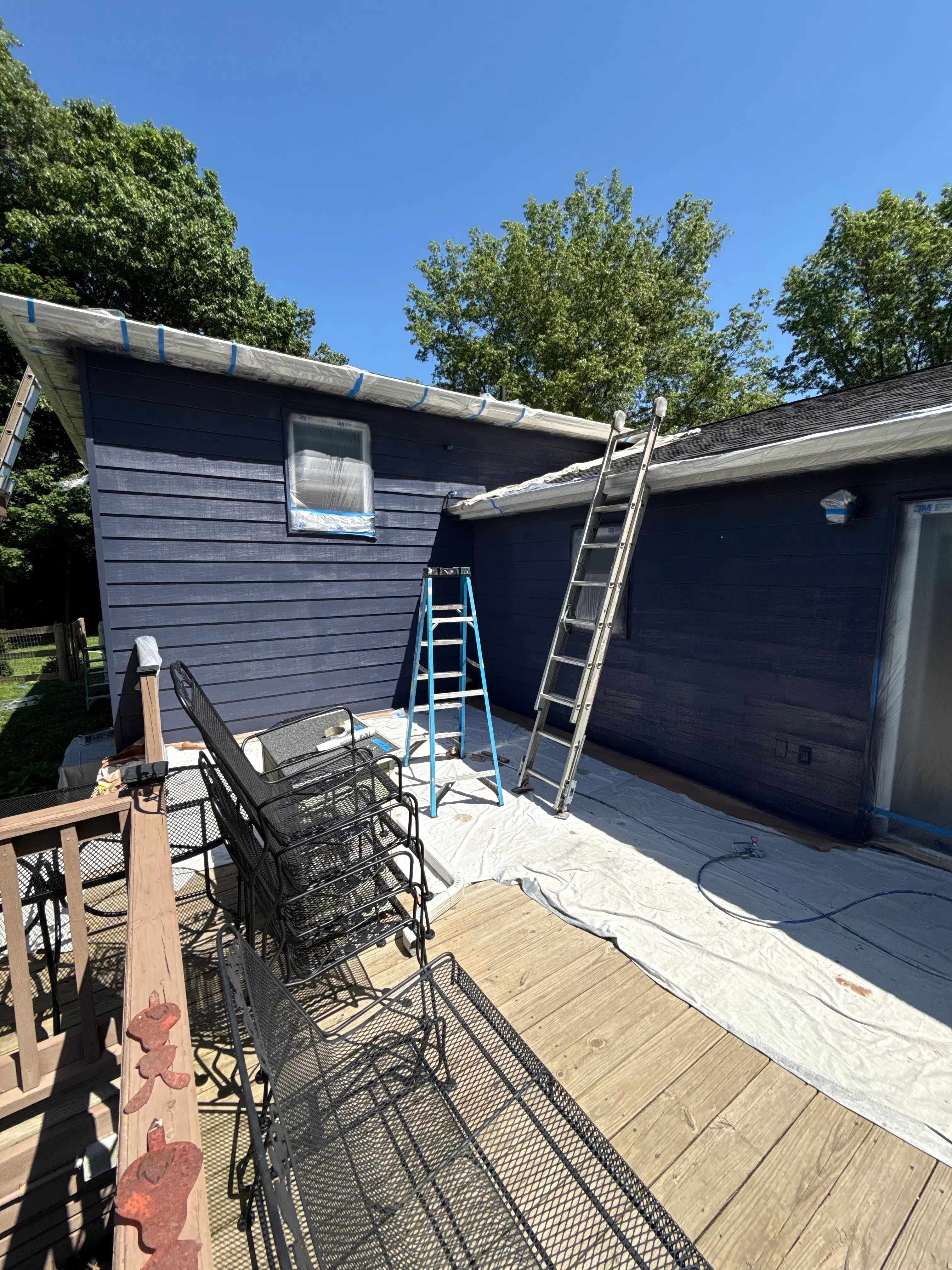
A high-quality Exterior Painting project is essentially a restoration job. Professional crews understand that the preparation phase often takes as long, if not longer, than the actual application of color. This phase is comprehensive and demanding.
First, the home must be thoroughly cleaned. A standard approach involves a gentle soft wash followed by a targeted power wash. This combination removes years of accumulated grime, mildew, and chalky residue without damaging the wood fibers beneath. Once the house is completely dry, the rigorous hands-on work begins. Combining a power wash and scraping before exterior painting ensures that any loose, flaking, or bubbled sections are completely removed.
After scraping, the exposed edges are sanded smooth so that the transition between bare wood and intact old layers is invisible under the new finish. Gaps around windows, doors, and siding joints are then meticulously caulked. Caulking is critical; it prevents water and drafts from penetrating the envelope of your home, protecting both your energy bills and your newly painted boards. Finally, any exposed bare wood must be spot-primed to seal the fibers and create a receptive surface for the topcoat.
For older, historic homes in areas like Clintonville or German Village, this process requires even more care. Navigating strict EPA Lead-Safe guidelines is essential when dealing with older properties, ensuring that any dust or debris generated during the scraping and sanding phases is contained safely and cleaned up thoroughly.
Choosing the Right Protection and Maintenance
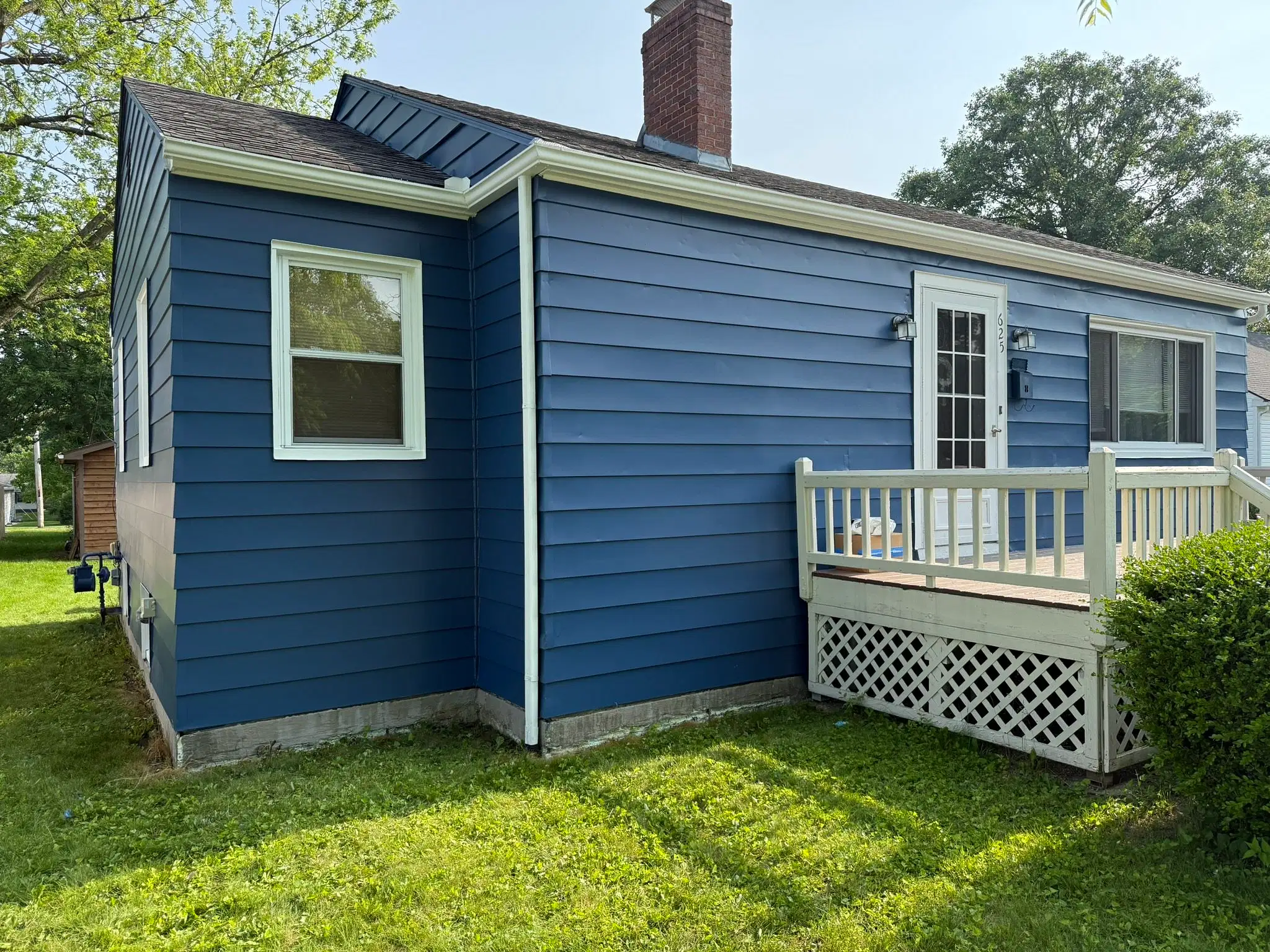
Once the canvas is perfectly prepared, the focus shifts to selecting the right materials. Many homeowners wonder how often should you repaint home exterior siding to maintain its structural integrity and curb appeal. As a general rule, a professionally executed job should last anywhere from 5 to 8 years, depending heavily on the type of siding, its exposure to the sun, and the quality of the products used.
Investing in premium products is just as important as the prep work itself. For instance, deciding between Sherwin Williams Duration vs Emerald exterior paint often comes down to the specific demands of the property. Both are exceptional, durable options that resist blistering and peeling. Duration provides excellent thickness and flexibility, making it ideal for standard siding that experiences significant thermal expansion. Emerald, on the other hand, offers an incredibly smooth, luxurious finish with top-tier resistance to color fading, which is highly recommended if you are choosing a bold or very dark color for your home's exterior.
Whether you are dealing with standard siding or require extensive Exterior Wood Restoration for weathered trim and details, combining rigorous prep work with elite materials is the only way to guarantee a result that truly lasts.
Partnering with the Right Professionals
Attempting to cut corners on the preparation phase is the most common reason exterior projects fail prematurely. While the temptation to simply wash and paint might be strong, especially when trying to save time, the long-term costs of peeling walls and rotting wood far outweigh the initial investment of doing it right the first time.
Navigating neighborhood requirements can also be a hurdle. If you live in a community like New Albany with strict homeowners association guidelines, you know how stressful it can be to get color approvals and ensure the work meets neighborhood standards. A dedicated professional team will not only handle the grueling prep work and daily cleanups but can also assist in providing the necessary documentation and approved color options to make the administrative side completely hassle-free.
At Voigt’s Precision Painting, we believe in transparent pricing with no hidden fees and a commitment to meticulous craftsmanship. We stand behind our work because we know the effort we put into the preparation. If you live anywhere around The Outerbelt and want to ensure your home is truly protected against the elements, reach out to us today for a comprehensive estimate.